
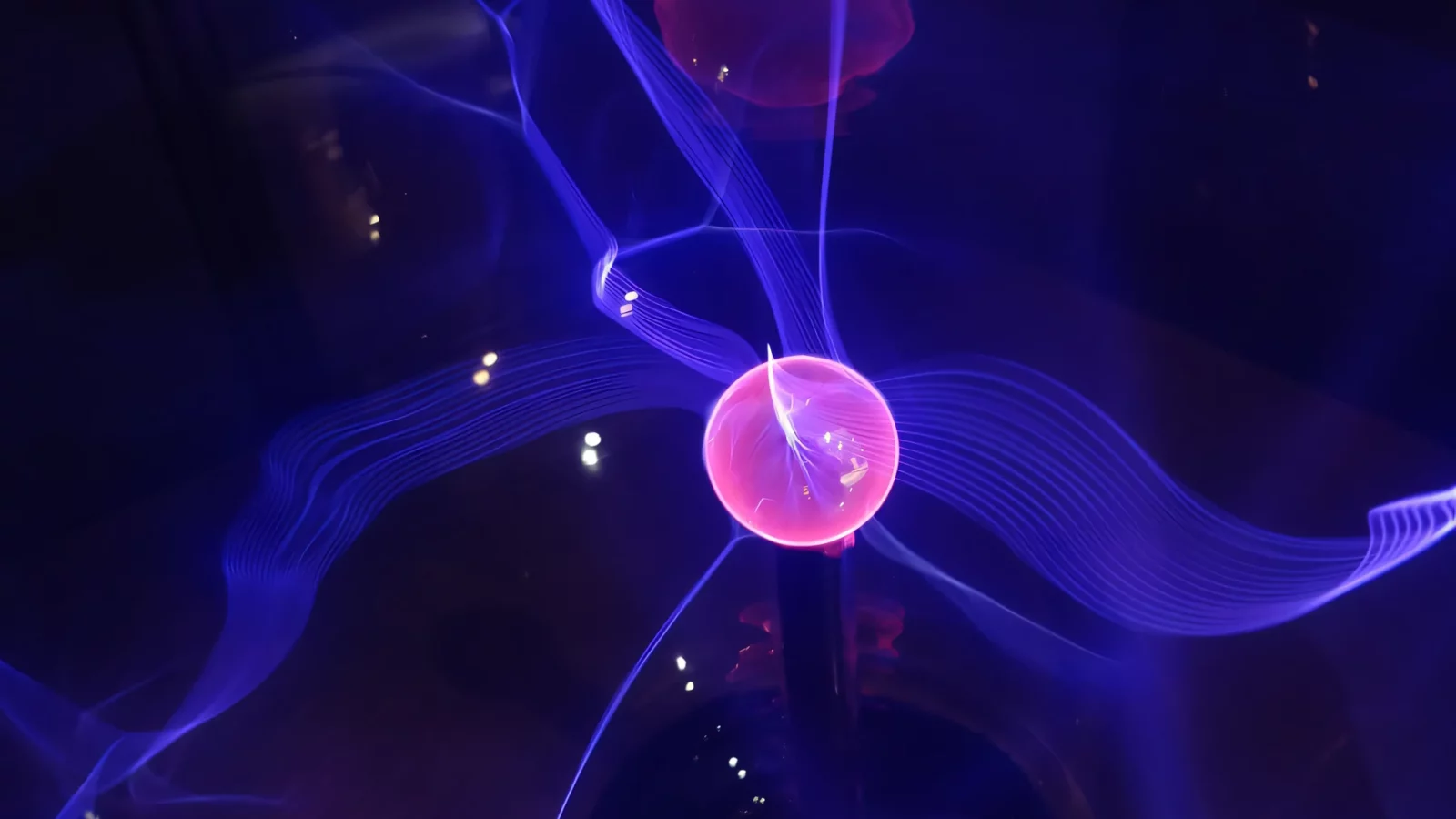
On 20 January 2025, China’s EAST reactor kept a plasma burning at 100 million°C for 1,066 seconds, 17 minutes and 46 seconds of controlled chaos no wall can touch and survive. This is not a lab curiosity; it is a serious step towards the kind of fusion machine people have been promising for decades.
For a country living with load shedding, it is tempting to treat this as distant sci-fi. The honest read is sharper: fusion still will not rescue the grid any time soon, but EAST just moved the idea of a star on Earth out of fantasy and into the engineering ledger.
What EAST actually pulled off
The most important number is the time, 1,066 seconds, because holding plasma that long is the real test. EAST, the Experimental Advanced Superconducting Tokamak in Hefei, doubled down on a problem that has frustrated fusion research for generations: how to keep matter hot enough, stable enough, and contained long enough for fusion to become more than a burst.
The temperature was brutal, about seven times hotter than the Sun’s core. The reactor did not contain that heat with anything solid. It used superconducting magnets to suspend the plasma inside a magnetic cage, as any physical surface meeting plasma at that temperature would flash apart almost immediately. The whole machine is basically an argument that gravity is optional if your magnets are strong enough.
Crossing the 1,000 second line changes the conversation. Short shots can prove a physics point, but long confinement starts to look like a power plant problem. EAST’s earlier progress makes the scale of the jump clearer. In 2012, the same line of research was measuring success in 30 seconds. By 2025, it was over 17 minutes. This is not a fluke; it is a progression.
Why fusion keeps dragging people back in
Fusion is the process that powers the Sun and stars, but on Earth it has to be done with hardware instead of gravity. Light atoms, usually hydrogen isotopes such as deuterium and tritium, are heated until they become plasma and start fusing into heavier nuclei. When that happens, energy pours out in a way that makes fossil fuels look crude.
The pitch is irresistible for obvious reasons. Fusion does not emit CO2 while it runs. It does not leave behind the same long-lived high-level radioactive waste associated with conventional fission reactors. Its fuel base is also unusually attractive. Deuterium can be drawn from seawater, which means the supply chain is not tied to a single mine, pipeline, or cartel.
People keep talking about it even after decades of missed deadlines. If fusion works at scale, it offers power that is dense, steady, and far less dirty than the systems we live with now. The catch is that the machine has to stop being an experiment and become infrastructure, and that is where the real fight begins.
Why South Africa should care now
South Africa does not need a theoretical energy sermon. It needs power that stays on. The fusion story matters here, even if commercial reactors are still years, probably decades, away. A stable grid changes everything downstream, from factories and mines to rail, schools, data centres, and the small businesses that bleed cash every time the lights go out.
A future fusion plant would not solve load shedding this decade. It would not arrive in time to paper over Eskom’s current mess or the wear on an ageing coal fleet. But it could shape the next serious energy plan, the one written for a country that wants more than emergency patches. If the technology keeps moving, the question stops being whether South Africa needs fusion and becomes when the country prepares for it.
There is also a local scientific angle. South Africa already has nuclear expertise at Pelindaba through SAFARI-1, a fission research reactor used for isotope production and materials work, not fusion. That does not put the country in the fusion race, but it does mean the skills are not imaginary. Engineering talent, materials science, and power systems work all have a place in that future if policy ever gets serious about it.
The hard part is still brutal
Fusion’s biggest enemy is not enthusiasm; it is physics and engineering refusing to be rushed. A reactor has to create more energy than it consumes, keep doing it reliably, and survive the punishment. The walls need to handle intense heat and a torrent of neutrons for years. The magnets have to stay stable. The plasma has to stay put. Every one of those requirements gets harder when you stop talking about a single demonstration and start talking about round-the-clock electricity.
EAST’s 1,066 seconds matter without pretending the job is done. The milestone says the machines can now hold the line for longer than before, which is the sort of progress that actually compounds. It also keeps a hard boundary in view. Commercial fusion is still widely treated as a 2050s story or later, even with private money chasing quicker wins.
For South Africa, the right response is not hype and not dismissal. It is to watch the work, build the technical base, and stop pretending the energy future will be fixed by one silver bullet. Fusion may never be the answer to load shedding in the way a diesel generator is the answer to a blackout. But if the star-on-Earth idea keeps advancing at this pace, it could become one of the few energy stories big enough to matter beyond the next election cycle.