A 2021 Hilux double-cab for R120,000 should not make you reach for your phone. It should make you reach for Google. That price is roughly R130,000 below market value, yet every week Johannesburg buyers convince themselves they’ve stumbled onto a bank liquidation that nobody else noticed. By the time the EFT clears, the WhatsApp number goes dead and the “auction house” evaporates into the same Facebook ether that birthed it.
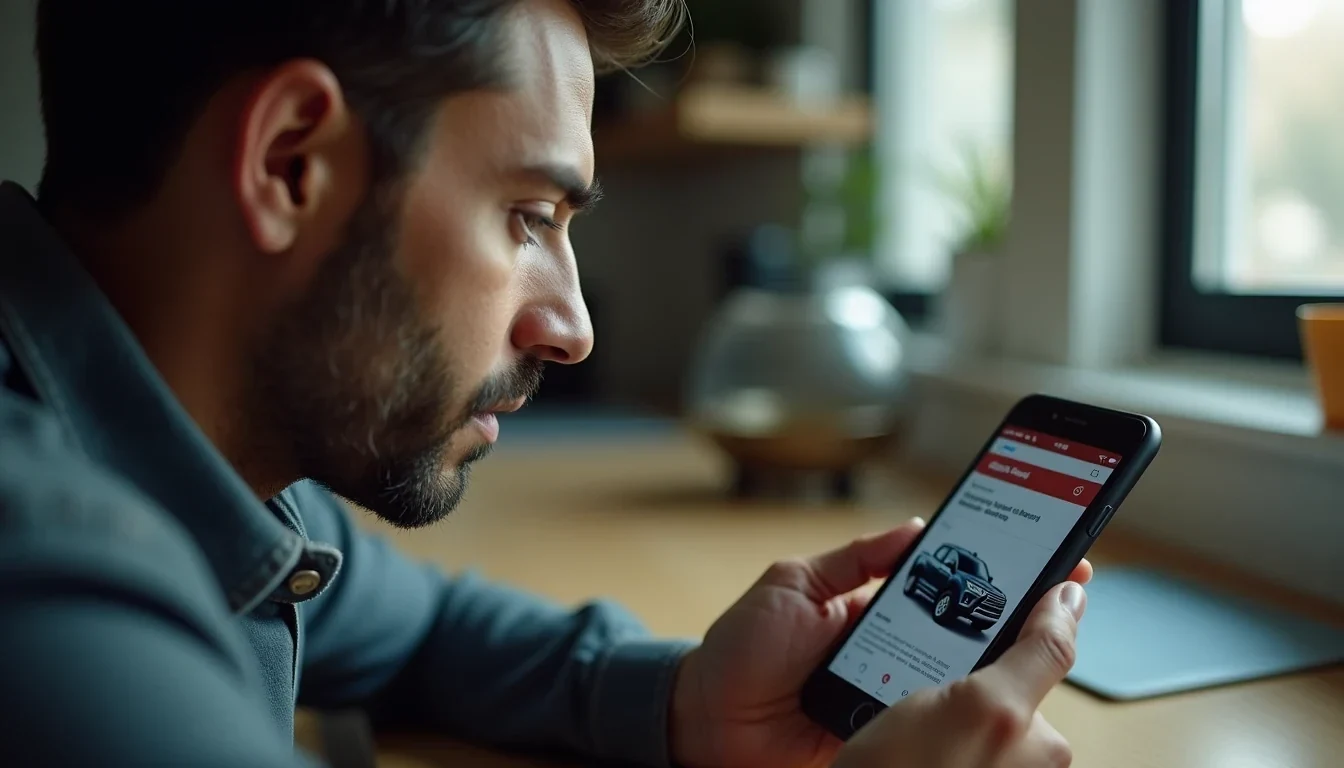
These scams follow a script refined by repetition. A sponsored post surfaces in your feed: professional photography, a recognisable bank logo watermarked into the corner, a caption promising “urgent repossessed stock.” The vehicle is always desirable, accessible, and priced to trigger that involuntary calculation of what you could do with the savings. Comment sections show fabricated engagement. “Is this still available?” “Just bought mine, thanks guys!” The page itself might be three days old.
Contact shifts immediately to WhatsApp. The “consultant” has a name, a profile photo borrowed from somewhere else, and a tone of practiced helpfulness. Within minutes comes the documentation: an auction catalogue PDF with borrowed letterhead, a “bank release authorisation” with a forged signature block, perhaps a location pin to a warehouse in Isando or Germiston. The request follows fast. A holding deposit, refundable of course, just to secure your place before the viewing day that other buyers are already queuing for. The amount is calculated for accessibility, not profit per victim. R5,000. R8,000. This is enough to hurt, but not enough to trigger the hesitation that a six-figure demand might provoke.
The “today only” inflection point reveals the psychology. Legitimate distress sales do not expire at 5pm because a consultant’s shift ends. Real auction houses do not lose repossessed Hiluxes to competitors who WhatsApp faster. The scam depends on convincing you that ordinary rules have suspended themselves, that your luck has finally turned, and that verification is the enemy of opportunity. Victims often know something feels compressed, but the alternative is accepting that the bargain was never real. The deposit becomes a payment for maintaining that belief one day longer.
Verification is tedious and unglamorous, which is precisely why it works. The Companies and Intellectual Property Commission database costs nothing to search. Enter the company name from the advert. Check whether it exists, whether its registration number matches, and whether the directors correspond to the person messaging you at 10pm on a Sunday. Cross the physical address against Street View. A legitimate auctioneer operates from premises you could drive past; a scammer operates from a residential complex in Randburg or an empty industrial shell with a borrowed pin. Most definitively: the account holder name must match the registered company exactly. “Mr T. Molefe, FNB” is not a corporate account. It is a personal account with a story attached.
How the Real Process Actually Works
Established houses like Aucor, Burchmores, and Park Village Auctions have spent decades building the infrastructure that scammers merely impersonate. Their repossessed vehicle sales begin with public viewing days, not WhatsApp pressure. You walk the yard. You start the engine. You note the panel gaps and the service history gaps alike. Bidding happens in a room with other humans, or through a secure online portal with verifiable credentials. FICA documentation is collected before money changes hands, not after. Payment routes to a corporate account held in the auction house’s registered name, traceable and recoverable if disputes arise.
The “voetstoots” clause that legitimate sellers apply means you buy the vehicle’s actual condition, not its promise. Scammers invert this transparency. Their documentation is elaborate and meaningless. Their terms are generous and unenforceable. They offer guarantees no solvent business could afford because they intend to disappear before any claim materialises.
The Psychology of the “Secret” Deal
What separates victims from near-victims is rarely intelligence. It is the willingness to believe that information asymmetry can flow downward, that a stranger on Facebook would prioritise your financial advantage over their own. The scam narrative flatters this fantasy. You are not browsing public listings like everyone else. You have accessed a channel, a contact, a timing that others lack. The exclusivity is the product being sold; the vehicle is merely its packaging.
This explains why red flags that seem obvious in retrospect fail in the moment. The stolen photograph, the mismatched branding, the refusal to permit viewing: each is rationalised as evidence of the deal’s irregularity rather than its non-existence. The victim becomes complicit in their own deception, explaining away the warnings that would expose the fantasy.
What to Do If You’ve Already Paid
Cease contact immediately. No further deposit will recover the first. Screenshot every message, every document, every transaction record. Contact your bank’s fraud department with the recipient account details. While EFT recovery is uncertain, prompt reporting occasionally freezes funds before they cascade through mule accounts. Open a case with SAPS and obtain a case number. Report the social media profile to the platform, not for your own prospects of recovery, but to slow the pipeline toward the next target.
The embarrassment of admission often delays this sequence. Victims hesitate, hoping for resolution that preserves their self-image as savvy operators. Scammers depend on this interval. Every day of silence is another day to clear accounts and reconstitute under a fresh name.
The Harder Truth
The legitimate repossessed vehicle market exists, and it is not inaccessible. Banks do liquidate default assets. Prices do run below retail. But the discount is never 50%, never urgent, and never discovered through a sponsored post that found you rather than your search finding it. The actual bargains require patience, physical presence, and the acceptance that other bidders have done the same arithmetic. There is no shortcut through WhatsApp that bypasses this competition. The belief that one exists is the vulnerability being monetised.